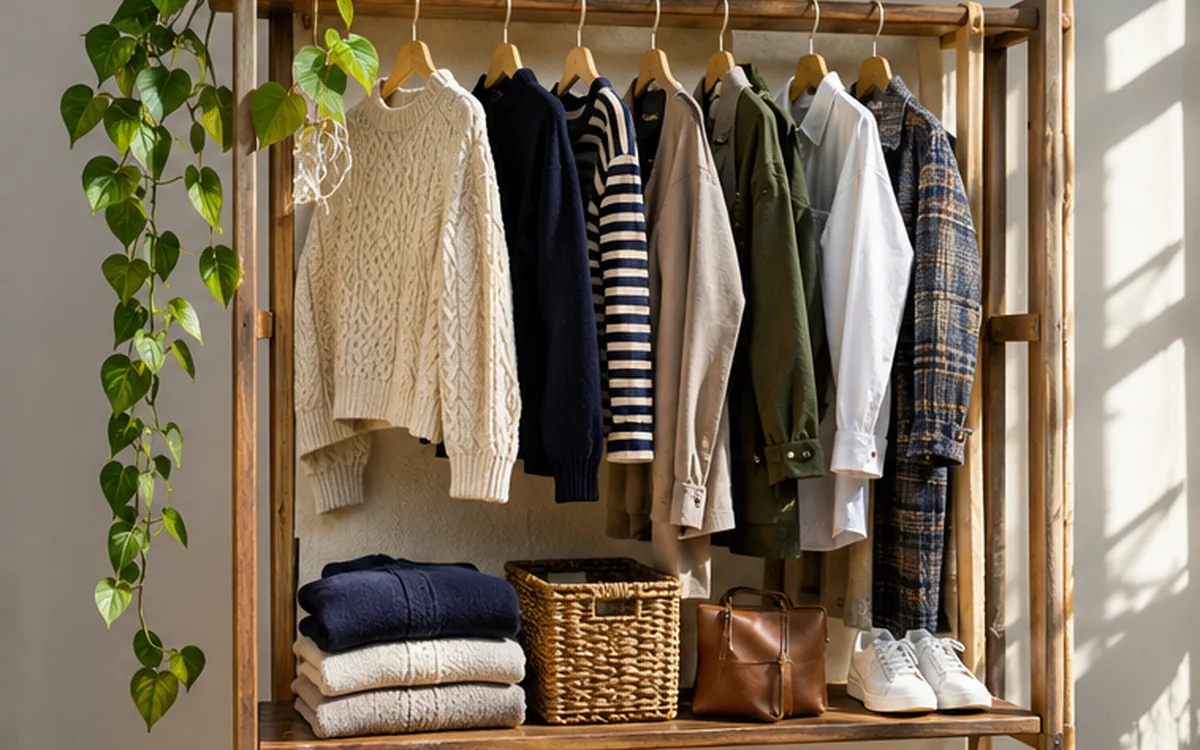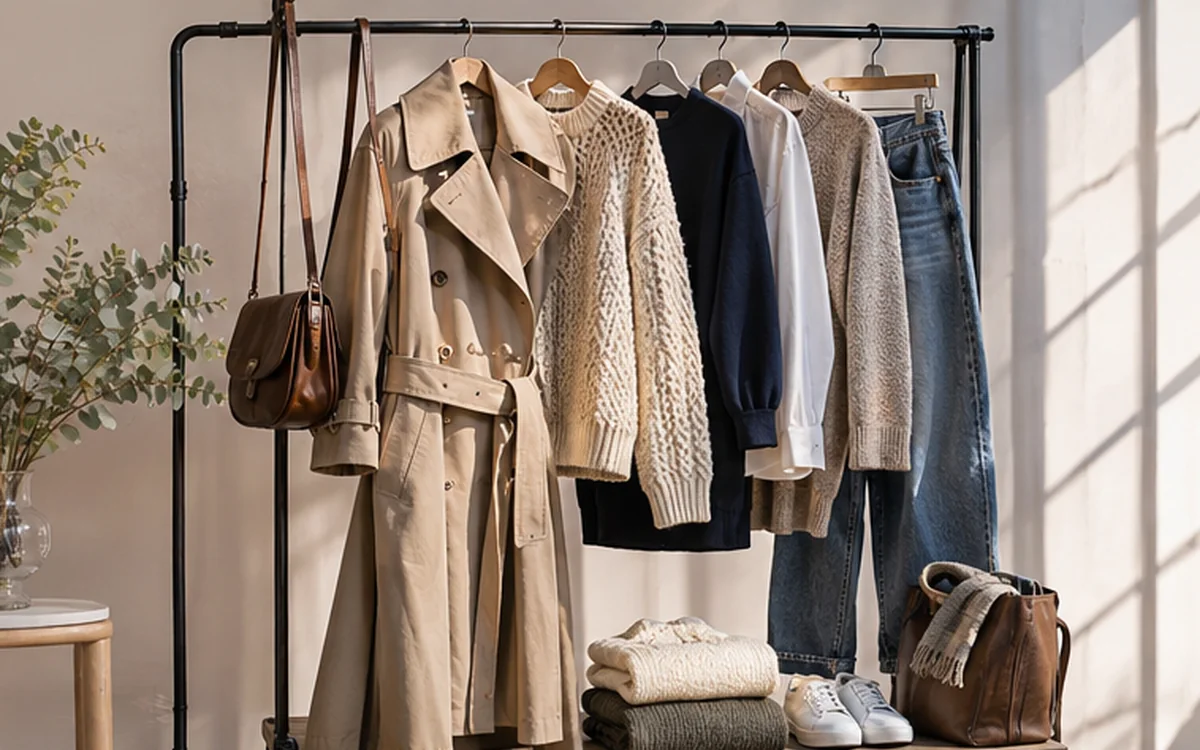
Thoughtful shopping begins with the simple question: what problem would this item solve? A good purchase might replace a worn-out essential, suit a new routine or bring genuine enjoyment. It does not need to be expensive or fashionable to be valuable.
Identify the real gap
Before browsing, look at the clothes you wear frequently. Is there an outer layer missing for wet commutes? Do your trousers work with enough tops? Does a favourite pair of shoes need replacing? A specific need makes comparisons easier.
Check garment measurements
UK sizing varies across manufacturers. Compare your measurements with the individual retailer’s chart and read the fabric description. A label size is less informative than knowing whether the shoulder, waist and length will suit your preferred fit.
Think about the full cost
Purchase price is only part of the decision. Delivery, return fees, alterations and special cleaning requirements may matter. Cost per wear is a rough planning tool: a £100 coat worn one hundred times works out at £1 per wear. It does not, by itself, measure product quality or environmental impact.
Understand retailer claims
Look for clear fabric information, product imagery, transparent returns terms and contact details. Reviews can be helpful but may not reflect your own fit or expectations. When a site is unfamiliar, check its identity carefully before paying.
Consider other routes
Charity shops, second-hand platforms, clothing exchanges, independent boutiques and high-street retailers all offer options. Accessibility, budget, sizing and time constraints vary, so no one shopping route is right for everyone.
A final purchase check
Can you imagine wearing the item with at least two things you already own? Is it comfortable? Is the care routine realistic? Would you still want it if it were not on sale? These questions are not strict rules, but they can make shopping decisions feel calmer and more personal.