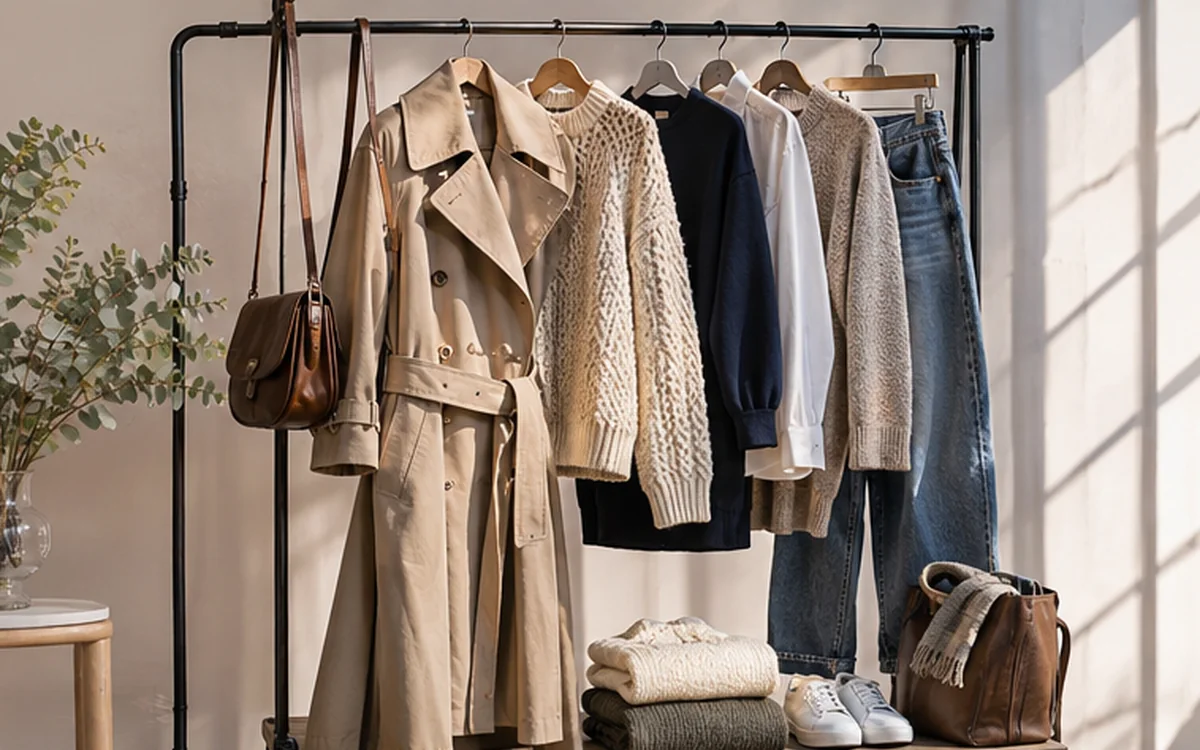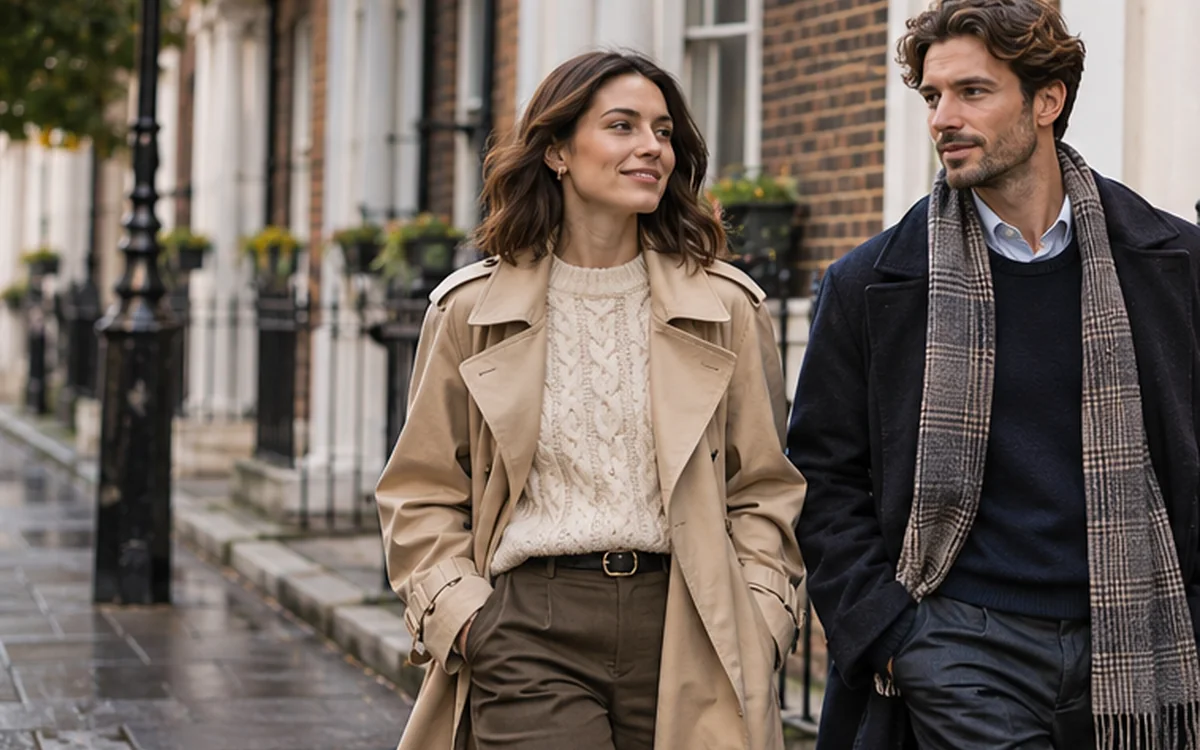
British fashion is rarely one thing. A practical raincoat, a sharply cut blazer, well-worn denim and contemporary trainers can all belong in the same wardrobe. That mixture of established clothing traditions and new personal ideas is a useful way to explore XXBrit, a name that appears on various websites discussing British-inspired fashion and lifestyle.
Not every website using the XXBrit name represents the same business, publication or community. This guide takes the fashion-focused interpretation of XXBrit as its starting point: modern British style, everyday outfits, streetwear, seasonal clothing and the choices that make a wardrobe genuinely useful.
Whether you dress for a city commute, university, a relaxed weekend or a workplace with a smart-casual dress code, the aim is straightforward. Find clothing that reflects your taste, fits comfortably and makes sense for the way you live in the UK.
What does XXBrit mean?
XXBrit is an online name with different uses. Some websites using the word publish fashion and lifestyle commentary, while similarly spelled terms can lead to unrelated material. There is no independently established, universal definition that applies to every domain containing the name.
In the context of this editorial guide, XXBrit means exploring a contemporary British approach to getting dressed: taking inspiration from tailoring, practical outerwear, knitwear, youth culture and streetwear, then adapting those influences to an individual wardrobe. This is a description of a style discussion, not a claim that XXBrit is one official fashion brand or movement.
For readers, that distinction matters. It lets you use a search term as a doorway to useful information without mistaking a website’s promotional language for a verified account of its history or ownership.
Why British fashion has such a recognisable character
British fashion has drawn ideas from many sources: skilled tailoring, working clothes, school and workplace uniforms, creative subcultures, music, sport and international design. The result is variety rather than a single national dress code.
Traditional pieces such as structured coats, shirts and knitwear continue to appear in contemporary wardrobes. At the same time, twentieth-century youth cultures challenged the assumption that dressing well meant dressing formally. The Mod scene brought close attention to youthful silhouettes and sharp combinations; punk explored the expressive possibilities of customised clothes and rule-breaking details.
These developments are documented by cultural organisations including the Victoria and Albert Museum. Today, the British Fashion Council provides another perspective on the changing professional fashion landscape.
But contemporary British style also happens outside designer collections. It appears in charity shops, at bus stops, on high streets, in independent boutiques and in the clothes people combine for ordinary days.
Five principles of XXBrit-inspired personal style
1. Mix familiar pieces with contemporary shapes
A blazer does not need matching suit trousers. Try it with straight-leg denim, a plain top and comfortable footwear. A chunky knit can sit over a crisp shirt, while a traditional long coat can finish a relaxed streetwear outfit. The contrast between different levels of formality often gives a simple look its character.
2. Put fit and movement before an outfit photograph
Consider how a garment feels when you sit, walk, reach and carry your belongings. Loose clothing is not automatically poorly fitted, just as a slim silhouette is not necessarily the best option. The important questions are whether the intended shape works and whether you can comfortably get through the day.
3. Dress for the actual weather
In Britain, an outfit can encounter rain, wind, indoor heating and warmer afternoon conditions in the same day. Removable layers and suitable footwear are often more important than a carefully matched accessory. A trench coat is not necessarily waterproof: check the specific product description if you need reliable rain protection.
4. Repeat what already works
You do not need a different outfit for every appearance. A good coat, dependable trousers and a favourite knit can be worn in numerous combinations. Repeating clothing is a sensible way to develop a personal signature and avoid constantly starting from scratch.
5. Keep room for individuality
Some people prefer darker colours and minimal details. Others enjoy printed shirts, vintage finds, bold jewellery or brighter footwear. None of these preferences has to pass a fashion test. Choose a combination because it feels right for you, not because a trend requires it.
Essential pieces for a versatile British wardrobe
Before buying anything, check which pieces you already own. The following examples are useful because they can be combined across different outfits, not because everybody needs every item.
| Wardrobe piece | Why it can be useful | Easy styling idea |
|---|---|---|
| Practical coat or mac | Outerwear for travel and changing weather | Wear over knitwear and denim |
| Comfortable everyday trousers | Flexible base for work and weekends | Combine with a shirt or sweatshirt |
| Well-fitting denim | Works with smarter and relaxed layers | Add a blazer and simple trainers |
| Plain T-shirts | Useful underneath jackets and overshirts | Try a neutral base with coloured outerwear |
| Shirt or overshirt | Can be worn alone or as a layer | Leave open over a T-shirt |
| Knitwear | Adds warmth and texture | Layer under a roomy coat |
| Structured jacket | Creates a smarter outline | Dress down with casual bottoms |
| Comfortable shoes | Support real daily movement | Match to walking distance and weather |
| Bag that suits your routine | Practical storage and an outfit detail | Choose the size you actually need |
This is not a prescription for a particular body type, gender or budget. Dresses, skirts, modest clothing, adaptive garments or specialised footwear may be more appropriate foundations for some wardrobes. Your daily needs should determine the list.
Seven XXBrit-inspired outfits you can recreate
1. The smart-casual commute
Choose comfortable tailored trousers, a soft shirt or T-shirt and an unstructured blazer. Add shoes suitable for your journey and carry any extra layer in a practical bag. The result can feel considered without being restrictive. If your workplace has a dress code, use that as the final guide.
2. The relaxed weekend look
Start with straight-leg jeans, a favourite jumper and a casual jacket. Trainers, boots or flats can all work, depending on what feels comfortable and where you are going. A scarf or bag in a contrasting colour adds interest without requiring a complete outfit change.
3. The modern streetwear combination
Try relaxed trousers with a simple top and a workwear-inspired overshirt. Keep one detail distinctive, perhaps a colourful cap, a printed tee or an interesting jacket shape. A useful streetwear outfit is one you can move in, not a costume assembled from expensive labels.
4. The everyday dress-and-layer formula
A dress or skirt can be paired with a cardigan, light knit or structured jacket. Adjust the shoes and outerwear according to the occasion. The same base outfit can feel informal for a daytime meeting and more polished for an evening plan.
5. The practical rainy-day outfit
Build from the outside in. Pick weather-appropriate outerwear and footwear with suitable grip, then choose breathable layers underneath. A compact umbrella, dry bag or hood can make a greater difference to comfort than a decorative finishing touch.
6. The understated evening outfit
Wear dark denim or easy trousers with a shirt or simple top. Add an overshirt, blazer or smart jacket if the setting calls for it. Pay attention to clean, comfortable footwear rather than assuming formal clothes are the only option for an evening out.
7. The repeatable three-piece outfit
Choose trousers, a top and an outer layer that work in several combinations. Repeat them throughout the month, changing one element at a time. This helps you discover which colours and proportions you prefer while reducing the temptation to buy more clothes than you need.
How to build a British streetwear look
Streetwear is broad enough to accommodate many influences. You might borrow the comfort of sportswear, the pockets of workwear, the character of vintage denim or the structure of a tailored coat. Rather than copying one trend, focus on proportion and the purpose of each garment.
If the trousers are loose, try a shorter jacket or a tucked-in top to see how the silhouette changes. If the jacket is oversized, a straightforward base layer may keep the outfit balanced. These are experiments, not strict rules; relaxed top and bottom combinations can also work well.
Colour is another easy way to create coherence. Navy, charcoal, cream, olive and brown are flexible starting points, while brighter accents can express personality. The most convincing streetwear usually looks as though the wearer chose it for themselves.
XXBrit fashion through the UK seasons
Spring: layers that come off easily
Spring can move between bright sunshine and cool, damp conditions. A lightweight jacket, shirt and removable knit provide options when temperatures vary. Choose shoes according to your planned journey, especially if it involves a lot of walking.
Summer: comfort and breathable fabrics
Lightweight cotton, linen blends and relaxed silhouettes can feel pleasant in warmer weather. Pay attention to material weight and how fabric feels against your skin. For periods of strong sunshine, clothing choices should work alongside appropriate sun protection and hydration.
Autumn: texture, warmth and versatility
Autumn is a useful season for knitwear, denim, scarves and adaptable outer layers. You might combine a wool-blend jumper with relaxed trousers or style a shirt underneath a cardigan. Ensure that thicker pieces still fit beneath the coat you plan to wear.
Winter: insulation and sensible footwear
When conditions turn colder, focus on warmth, protection from wind and rain, and ease of movement. An insulating middle layer and practical coat may be more valuable than several thin decorative pieces. Footwear should suit wet surfaces and your normal walking distance.
Different places across the UK can experience very different conditions. Treat seasonal advice as a framework, then adjust for your local forecast and personal comfort.
How to find the fit that works for you
UK clothing sizes can vary between brands, cuts and collections. A label is only one piece of information. Check garment measurements, fabric composition, reviews that mention fit and the seller’s return policy when shopping online.
For jackets, consider whether the shoulders and arms move naturally. For trousers, check comfort while sitting as well as standing. For shoes, evaluate width, support and the activity you intend to use them for. A garment that looks good for five minutes may not be right for an entire workday.
Simple alterations can sometimes improve a useful item. Hemming trousers or adjusting a basic seam may be worthwhile, but the cost and complexity of alterations should be part of the purchasing decision.
Affordable British fashion without constant shopping
Personal style should remain possible on a modest budget. High-street retailers, charity shops, second-hand marketplaces, clothing swaps and independent shops offer different ways to find clothing. Each has advantages and limits depending on sizing, accessibility, location and available time.
Before buying a new piece, decide what it adds to your existing wardrobe. Can it be worn with at least two things you own? Does it solve a real need? Will it remain comfortable after several hours? Is the care routine realistic?
Cost per wear is one simple planning tool. A £90 coat worn ninety times costs approximately £1 per wear, while a £30 jacket worn only five times works out to £6 per wear. This does not prove that an item is sustainable, durable or high quality; it only helps you consider frequency of use.
If an online shop is unfamiliar, examine its actual contact details, product information, payment options and returns policy before ordering. A fashionable website design is not evidence that a seller is trustworthy.
Clothing care: wear, repair and repeat
A favourite wardrobe item is more useful when it stays in good condition. Start with the care label because fabrics respond differently to heat, moisture, washing and drying. Avoid assuming that every garment should receive the same treatment.
Small repairs can be worthwhile. Replacing a button, fixing a loose hem or reinforcing a small seam may extend a garment’s useful life. More complex alterations or repairs to technical outerwear may require specialist help.
Storage matters too. Make sure clothing is clean and fully dry before putting it away for long periods. Use suitable hangers or folded storage according to the garment, and avoid overcrowding delicate pieces.
Organisations such as WRAP publish information on clothing use, repair, reuse and the circular economy. These resources can provide context beyond short-lived trend advice.
British style does not stop at London
London is a major centre for fashion design and media, but personal style across the UK is far more varied. Cities and communities such as Manchester, Glasgow, Birmingham, Cardiff, Leeds, Liverpool, Bristol and Belfast have different connections with music, design, sport and everyday clothing culture.
It would be misleading to assign one compulsory style to each place. What makes regional inspiration interesting is the opportunity to discover independent shops, local creatives and combinations that reflect different lives.
Using social media for useful outfit inspiration
Short videos and fashion feeds can help you discover new combinations, but they can also make ordinary wardrobes feel inadequate. When an outfit catches your attention, ask what you actually like about it. Is it the colour pairing, the jacket length, the layering or simply the overall mood?
Try that specific idea with clothing you already have. You might recreate the proportions of an outfit without purchasing a single matching product. A saved photograph can be a reference, not a shopping list.
Is XXBrit an official website or fashion brand?
XXBrit is used by multiple online sources, and similarly spelled names can point to different subjects. The existence of several domains does not establish common ownership, endorsement or an official shared organisation. A site calling itself XXBrit should be evaluated on its own published information.
When researching a site, check the exact address, About page, editorial policy, contact options and any commercial disclosures. If a page makes strong claims about a movement, brand history or audience size, look for independent evidence rather than repeating those claims as established fact.
Frequently asked questions about XXBrit
What is XXBrit style?
In fashion-related usage, XXBrit can refer to a modern British-inspired mix of traditional clothing, casual outfits, streetwear and personal expression. It is not a formal dress code or universally verified movement.
Is XXBrit the same as XXBrits?
Not necessarily. Similar names appear in different online contexts. Check the full website address and the material it publishes rather than assuming that two names represent the same business.
What are good British wardrobe essentials?
Many people find comfortable trousers, versatile knitwear, a practical coat, everyday tops and suitable shoes useful. The best selection depends on your routine, preferences, budget and local conditions.
Do I need luxury labels to dress in a British-inspired way?
No. Fit, useful layers, personal taste and thoughtful combinations matter more than expensive branding. Second-hand clothing and familiar basics can work just as well.
Can British style work for different body types and accessibility needs?
Yes. The guiding ideas can be adapted to different silhouettes, mobility requirements, sensory preferences and dress needs. Comfort and ease of use should take priority over rigid styling rules.
How should I start improving my wardrobe?
Review what you wear regularly, identify combinations that already work, and list any genuine gaps. Add clothing only when it supports a real need or brings lasting enjoyment.
Final thoughts: style that belongs to you
The fashion-focused interpretation of XXBrit is most useful when it encourages curiosity about British clothing without pretending that one trend or website owns that story. The best combinations draw on familiar pieces, new ideas and an understanding of how clothes perform in everyday life.
Start with your own wardrobe. Choose practical layers, try a different pairing, care for what you love and let your taste evolve naturally. Personal style is not about wearing everything once; it is about finding pieces you are happy to wear again.