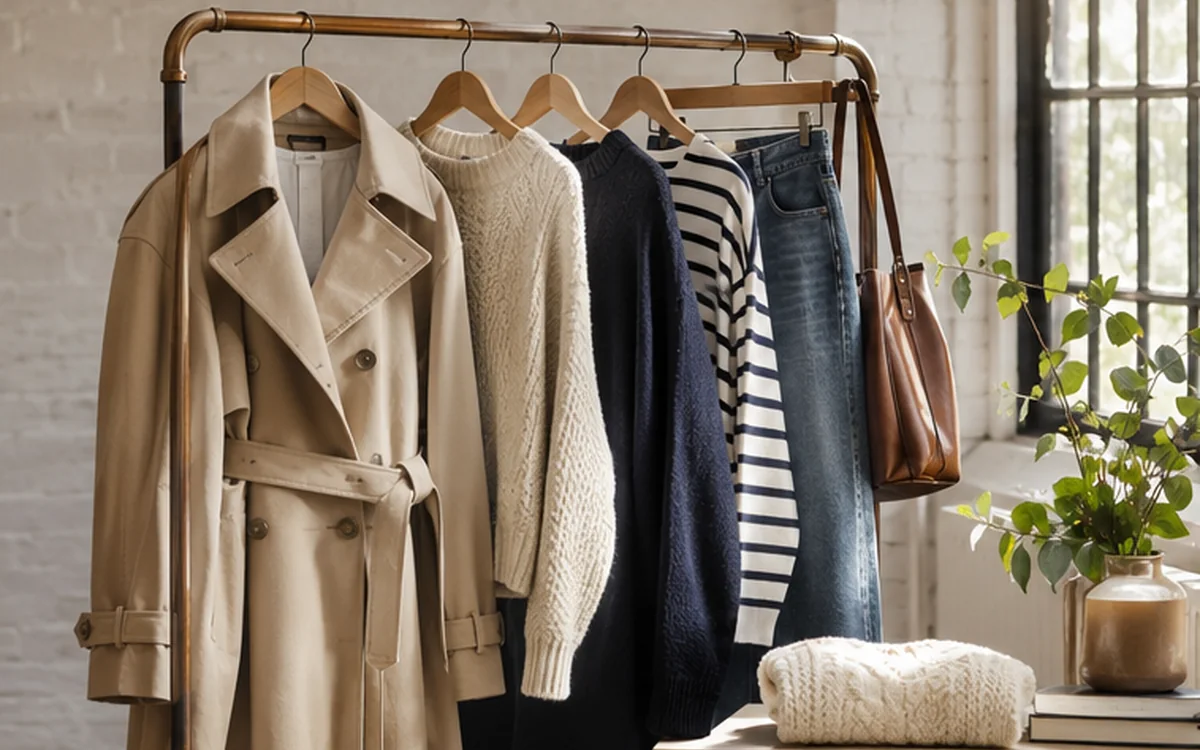
Charity shops can be useful places to find individual clothing pieces, discover unfamiliar labels and experiment with style at a different price point. But second-hand shopping is most rewarding when approached with a plan rather than a sense that every inexpensive item is a bargain.
Start with a short wardrobe list
Before visiting, note two or three gaps in your existing clothes. You might need a comfortable overshirt, a neutral jumper or trousers suited to work. A simple list helps you evaluate what you find without buying attractive items that have no place in your day-to-day wardrobe.
Check condition carefully
Look over seams, underarms, cuffs, hems, zips and buttons. Hold fabric up in good light to check for marks, fading or thinning. Some issues, such as a missing button, are straightforward to fix. Others may require more effort or cost than the garment justifies.
Always check the care label where available. Dry-clean-only clothing may cost more to maintain than expected. For shoes, examine soles, fit and any signs of significant wear.
Try different sections and sizes
Second-hand stock can include garments from many decades and retailers, so a label size is not always a reliable guide. Use measurements and try clothing on when possible. Look across sections for items that suit your preferences rather than treating rail categories as strict style boundaries.
Balance creativity with practicality
A bright jacket or unusual print can add personality to familiar basics. Before buying, think of at least two outfits you could realistically wear. The item need not match everything you own, but it should be enjoyable enough to use.
Remember the total cost
Buying second-hand does not guarantee a low overall cost. Consider alterations, special cleaning, travel and repair needs. A small extra cost may be worthwhile for a frequently worn garment; an expensive repair on a rarely used item may not be.
Support useful local services
Many UK charity shops contribute proceeds to charitable activities, although their individual operations and policies vary. Check the shop’s own information if you want to understand how a particular organisation uses its funds.
Keep the experience positive
Stock changes frequently, so one unsuccessful visit does not mean second-hand shopping cannot work for you. Try another day or another store if convenient. Avoid buying simply because the price is low, and remember that not everyone has equal access to time, transport or suitable sizes.
Charity-shop style works best when it supports the clothes you love wearing, rather than creating more items to store.

