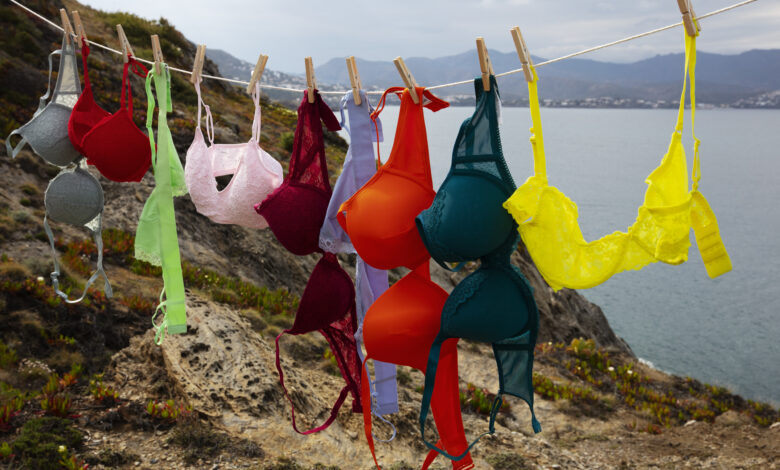
As the seasons change, most people update their wardrobes to accommodate rising temperatures. Sweaters are replaced with tank tops, heavy fabrics give way to lightweight materials, and layers become less necessary. Yet one essential item often gets overlooked: your bra. While a bra that feels comfortable during the colder months may seem perfectly fine year-round, summer’s heat and humidity can reveal shortcomings that weren’t noticeable during winter.
The reality is that seasonal comfort matters when it comes to undergarments. Factors such as fabric, breathability, moisture management, and style all play a role in how comfortable a bra feels throughout the day. Understanding the differences between cold-weather and warm-weather bras can help improve comfort and support during the hottest months of the year.
The Difference Between a Cold-weather and Warm-weather Bra
Winter bras are often paired with heavier clothing, layered outfits, and cooler temperatures. During colder months, thicker fabrics and additional coverage are typically less noticeable because the body is not exposed to the same level of heat and humidity. Comfort priorities often focus on support and insulation rather than ventilation.
Summer introduces an entirely different set of challenges. Higher temperatures can lead to increased perspiration, making moisture management and airflow much more important. Lightweight fabrics and breathable construction become key features that help maintain comfort throughout the day.
The styles worn during warmer months also influence bra selection. Summer wardrobes frequently include lower necklines, lightweight tops, sundresses, and sleeveless styles. These outfits often pair better with specialized options such as cotton bras, which provide support while remaining discreet beneath deeper necklines.
For active summer days, many women also gravitate toward supportive yet breathable sports bras. Whether you’re exercising outdoors, traveling, or simply spending more time on the go, sports bras designed with moisture-wicking materials can help improve overall comfort while maintaining support.
Choosing the right bra for the season isn’t just about style—it’s about matching your undergarments to your environment and daily activities.
Why Breathability Matters More Than You Think in Summer
Breathability is one of the most important yet overlooked factors in bra comfort. During warmer weather, restricted airflow can contribute to discomfort, excess moisture, and irritation. Fabrics that trap heat may feel manageable during winter but become noticeably uncomfortable when temperatures rise.
Breathable bras help promote airflow around the skin, reducing heat buildup and allowing moisture to evaporate more efficiently. This can make a significant difference during long workdays, outdoor activities, travel, or special events.
Modern bra technology has evolved to prioritize comfort alongside support. Lightweight materials, moisture-wicking fabrics, and innovative construction methods allow bras to perform better in warmer conditions without sacrificing fit or structure.
For shoppers comparing different brands and styles, resources such as honeylove vs thirdlove can provide valuable insights into features, fit, and design differences that may influence comfort preferences.
Just as you wouldn’t wear a heavy winter coat in July, your bra deserves seasonal consideration as well. Updating your bra wardrobe with breathable, warm-weather-friendly options can improve comfort, enhance support, and help you feel more confident throughout the summer months.